Fantasy Flight Games – Condottiere

Fantasy Flight started out as a publisher of European comics in the US. They weren't successful until they published the first edition of Twilight Imperium and have since grown to be the 5th largest publisher of boardgames in the world. They have in-house design, art, and development staff, but also are the US publishers of a variety of outside designs. They are known for their large quantities of quality components and flashy art style.

It is 13th century Italy. Trade is flourishing between the city-states and the Levant. Venice, Florence, and Genoa are all bursting with wealth. However, each city-state is also plagued with a weak national army, leaving them defenseless against invasion from their envious neighbors. Enter the Condottiere. As veteran English soldiers returned from the Crusades, Italy found itself with an influx of desperate and capable men. These hired swords were contracted to fight for individual city-states by an agreement known as a condotta. The most elite of these men were the mercenary leaders known as the Condottiere.

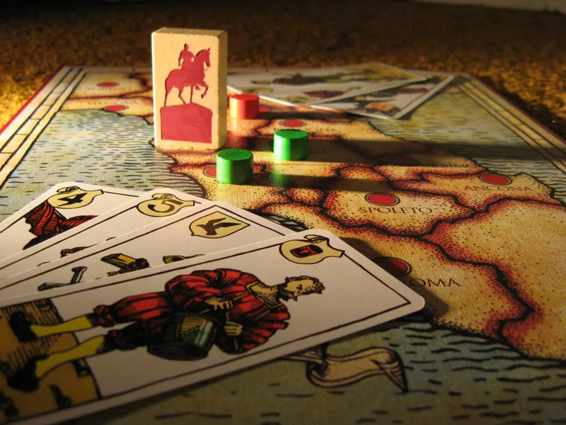
The object of Condottiere is to acquire four connected provinces in renaissance Italy. To do this players auction off different provinces on the board and bid on these provinces with a hand of cards representing mercenaries, seasons, scarecrows, and political figures. However, unlike standard auctions in which only the highest bidder loses their bid, in Condottiere every player loses their bid. Players are, in effect, bidding the number of troops they are willing to lose in order to win a province. However, several special effect cards shake the contests up and keep the players guessing.

This game is appropriate for teams looking to learn strategic planning, facing tough tactical decision making and also understanding the basics of auction strategy while playing this game.

#experientiallearning #learnbydoing #ffg #skillsfuture #SSG #gamebasedlearning #strategicplanning #tactical #auction #strategy @JJFSThinkLab
skillsfuture ssg gamebasedlearning condottiere strategicplanning tactics auction

Fantasy Flight Games – Legends of Andor

Legends of Andor is a cooperative adventure board game for two to four players in which a band of heroes must work together to defend a fantasy realm from invading hordes. To secure Andor's borders, the heroes will embark on dangerous quests over the course of five unique scenarios. But as the clever game system keeps creatures on the march toward the castle, the players must balance their priorities carefully. At the heart of Legends of Andor is its unique narrative, the linked scenarios of which tell an overarching story as the players successfully complete objectives. For each scenario, or "Legend", a legend deck conveys the plot of an ever-unfolding tale...one in which the players are the protagonists. A wooden marker moves along the board's legend track at key points during each scenario, triggering the draw of a new legend card, the introduction of new game-altering effects, and the advancement of the story's plot. In the end, the players must endeavor to guide the fate of Andor through their heroic actions, bringing a happy ending to their epic fantasy tale.

This game is appropriate for teams looking to learn empathy, a lot of tactical decision making and also creativity in story telling during the game.

#experientiallearning #learnbydoing #ffg #skillsfuture #SSG #gamebasedlearning #empathy #tactical #creativity #storytelling @JJFSThinkLab

skillsfuture ssg gamebasedlearning legendsofandor empathy tactics

A Legends of Andor game

Fantasy Flight Games – Citadels

Fantasy Flight started out as a publisher of European comics in the US. They weren't successful until they published the first edition of Twilight Imperium and have since grown to be the 5th largest publisher of boardgames in the world. They have in-house design, art, and development staff, but also are the US publishers of a variety of outside designs. They are known for their large quantities of quality components and flashy art style. They have numerous games popular with gamers and these include numerous IP games like Marvel and Star Wars. We will be going through some of the top FFG games that you can use for your learning and training sessions.

In Citadels, players take on new roles each round to represent characters they hire in order to help them acquire gold and erect buildings. The game ends at the close of a round in which a player erects his/her eighth building. Players then tally their points, and the player with the highest score wins.

Players start with a number of building cards in their hand; buildings come in different colors, with colored buildings providing a benefit when you play particular characters. At the start of each round, each player has secretly chosen a character. Each character has a special ability, and the usefulness of any character depends upon your situation, and that of your opponents. The characters then carry out their actions in numerical order: the assassin eliminating another character for the round, the thief stealing all gold from another character, and so on. On a turn, a player may earn gold or construct buildings. In addition to points from buildings, at the end of the game a player scores bonus points for having eight buildings or buildings of all five colors. This game is appropriate for teams looking to learn empathy, some strategic decision making and also negotiating during the game.

skillsfuture ssg gamebasedlearning citadels

A game of Citadels in session!

Board Game Publishers – Fantasy Flight Games

Fantasy Flight started out as a publisher of European comics in the US. They weren't successful until they published the first edition of Twilight Imperium and have since grown to be the 5th largest publisher of boardgames in the world. They have in-house design, art, and development staff, but also are the US publishers of a variety of outside designs. They are known for their large quantities of quality components and flashy art style. They have numerous games popular with gamers and these include numerous IP games like Marvel and Star Wars. We will be going through some of the top FFG games that you can use for your learning and training sessions.

Some popular FFG games:

  • Twilight Imperium: Fourth Edition

  • Star Wars: Rebellion

  • Arkham Horror: The Card Game

  • Marvel Champions: The Card Game

  • Mansions of Madness: Second Edition

  • Star Wars: Imperial Assault

  • Citadels

  • Battlestar Galactica: The Board Game

  • A Game of Thrones: The Board Game (Second Edition)

  • Legends of Andor

  • The Lord of the Rings

  • Through the Desert

  • Fury of Dracula (Third/Fourth Edition)

  • Condottiere

  • Nexus Ops

skillsfuture ssg gamebasedlearning ffg fantasyflightgames

Some FFG games

Game designer series - Uwe Rosenberg – Le Havre

Uwe Rosenberg is a German game designer. He has become known mainly for his card game Bohnanza. He also designed Agricola, a game that dethroned Puerto Rico as the highest rated game on BoardGameGeek.com. Rosenberg is well known for the development of innovative card game mechanisms. Another main point of his work are the research-intensive games, that have peculiar historical events as their theme, and games that deal with clichés about men and women. Since 2005, he focusses on complex building games with an economic theme.

Le Havre: The Inland Port is a two-player game in which both players compete to become the richest harbormaster. How they do so? Players acquire resources, construct buildings and, after twelve rounds, score the total value of their buildings and their money in cash. Each round, a set of new, predefined buildings is added to the market. Both players now take turns by either building one of these buildings or by using an existing building's effects. To construct a building, players have to pay a certain amount of money and/or resources from their warehouse. Most of these buildings, in turn, allow to change the amount of resources on a player's warehouse board in a specific way when used. This is crucial to the game as players are restricted on how to fill or empty their warehouse. They have to combine and optimize these steps to max out the capacity of their warehouses. Players can even use their opponent's buildings, but they have to pay them money to do so. When a building is not used during a round, it steadily increases in worth as its effects can be used up to four times in subsequent rounds. But a building that is not used for too long has to be sold to the market for half its value! The game uses a wheel to track this status of each building in play.

#uwerosenberg #experientiallearning #learnbydoing #skillsfuture #ssg #economicgames #strategicgames #gamebasedlearning JJFS ThinkLab

skillsfuture ssg gamebasedlearning le havre

Game designer series - Uwe Rosenberg - Agricola

Uwe Rosenberg is a German game designer. He has become known mainly for his card game Bohnanza. He also designed Agricola, a game that dethroned Puerto Rico as the highest rated game on BoardGameGeek.com. Rosenberg is well known for the development of innovative card game mechanisms. Another main point of his work are the research-intensive games, that have peculiar historical events as their theme, and games that deal with clichés about men and women. Since 2005, he focusses on complex building games with an economic theme.

In Agricola, you're a farmer in a wooden shack with your spouse and little else. On a turn, you get to take only two actions, one for you and one for the spouse, from all the possibilities you'll find on a farm: collecting clay, wood, or stone; building fences; and so on. You might think about having kids in order to get more work accomplished, but first you need to expand your house. And what are you going to feed all the little rugrats? The game supports many levels of complexity, mainly through the use (or non-use) of two of its main types of cards, Minor Improvements and Occupations.

Agricola is a turn-based game. There are 14 game rounds occurring in 6 stages, with a Harvest at the end of each stage. Each player starts with two playing tokens (farmer and spouse) and thus can take two turns, or actions, per round. There are multiple options, and while the game progresses, you'll have more and more: first thing in a round, a new action card is flipped over. Problem: Each action can be taken by only one player each round, so it's important to do some things with high preference. Each player also starts with a hand of 7 Occupation cards and 7 Minor Improvement cards that he/she may use during the game if they fit in his/her strategy. Speaking of which, there are countless strategies, some depending on your card hand. Sometimes it's a good choice to stay on course, and sometimes it is better to react to your opponents' actions.

#uwerosenberg #experientiallearning #learnbydoing #skillsfuture #ssg #economicgames #strategicgames #gamebasedlearning JJFS ThinkLab

skillsfuture ssg gamebasedlearning agricola

A challenging yet strategic economic game - Agricola

Game designer series - Uwe Rosenberg - Bohnanza

Uwe Rosenberg is a German game designer. He has become known mainly for his card game Bohnanza. He also designed Agricola, a game that dethroned Puerto Rico as the highest rated game on BoardGameGeek.com. Rosenberg is well known for the development of innovative card game mechanisms. Another main point of his work are the research-intensive games, that have peculiar historical events as their theme, and games that deal with clichés about men and women. Since 2005, he focusses on complex building games with an economic theme.

In Bohnanza, you plant, then harvest bean cards in order to earn coins. Each player starts with a hand of random bean cards, and each card has a number on it corresponding to the number of that type of beans in the deck. Unlike in most other cards games, you can't rearrange the order of cards in hand, so you must use them in the order that you've picked them up from the deck — unless you can trade them to other players, which is the heart of the game.

On a turn, you must plant the first one or two cards in your hand into the "fields" in front of you. Each field can hold only one type of bean, so if you must plant a type of bean that's not in one of your fields, then you must harvest a field to make room for the new arrival. This usually isn't good! Next, you reveal two cards from the deck, and you can then trade these cards as well as any card in your hand for cards from other players. You can even make future promises for cards received right now! After all the trading is complete — and all trades on a turn must involve the active player — then you end your turn by drawing cards from the deck and placing them at the back of your hand.

When you harvest beans, you receive coins based on the number of bean cards in that field and the "beanometer" for that particular type of bean. Flip over 1-4 cards from that field to transform them into coins, then place the remainder of the cards in the discard pile. When the deck runs out, shuffle the discards, playing through the deck two more times. At the end of the game, everyone can harvest their fields, then whoever has earned the most coins wins.

#uwerosenberg #experientiallearning #learnbydoing #skillsfuture #ssg #economicgames #strategicgames #gamebasedlearning JJFS ThinkLab

skillsfuture ssg gamebasedlearning

Game designer series - Uwe Rosenberg

Uwe Rosenberg is a German game designer. He has become known mainly for his card game Bohnanza. He also designed Agricola, a game that dethroned Puerto Rico as the highest rated game on BoardGameGeek.com.

Rosenberg first began to occupy himself with the development and mechanisms of games during his school years. During that time, he published a number of play-by-mail games, some of which are now available at www.omido.de. When he was a student, Amigo published his best-known game, Bohnanza. Since finishing his statistics studies in Dortmund, his main occupation is the development of games. In 2000, he founded the small publishing company Lookout Games. It published a number of expansions to Bohnanza, partly in cooperation with Hanno Girke. Larger projects were still published at other publishers, such as Amigo and Kosmos.

Rosenberg is well known for the development of innovative card game mechanisms. Another main point of his work are the research-intensive games, that have peculiar historical events as their theme, and games that deal with clichés about men and women. Since 2005, he focusses on complex building games with an economic theme: his first, Agricola, was released in 2007. As second game in this series, Le Havre was published in 2008.

Learning from Roleplaying games – Legacy of Dragonholt

This type of game is characterized by players taking on the role of a fictional character. This group of games, also called RPG’s, are some of the most popular games ever made both on the tabletop and in video games. Modern RPG tabletop games have simplified the complex games that originally created the genre without sacrificing the freedom that make RPG games so much fun. So if you are keen to inculcate your staff with empathy, provide better customer service skills or trying out design thinking – role playing games are highly suitable. What other learning points can you think of if you included role playing in your training toolkit?

Legacy of Dragonholt is a narrative adventure game that creates a unique experience by blending aspects of roleplaying and adventure games, open world concept video games, and even Choose Your Own Adventure books. Unlike many games, Legacy of Dragonholt is not about winning or losing, but rather about the act of creating a story. Without the need for a Game Master, this game ensures that every player has the opportunity to shape how their adventure plays out while its intuitive gameplay means that you waste little time before jumping into your tale.

Before you first set out on your adventure, you must confront one of the most difficult questions in gaming: who will you become? Legacy of Dragonholt gives you the opportunity to play as one of six humanoid races that reside in Terrinoth: humans, elves, dwarves, orcs, gnomes, and catfolk. Next, you'll select a class, before defining your physical and personality traits, and scribing a personal history. Each of these features creates a multifaceted character and defines the types of traits you possess, which in turn affect how you will approach obstacles throughout your journey and how you'll contribute to your party. For an in-depth look at the character creation process, you may look at our previous article here. Once you've created your own unique character, you're ready to dive in to a narrative adventure unlike any you’ve seen before.

Once your journey begins, Legacy of Dragonholt combines two forms of gameplay between the comprehensive Village Book and the six quest books that provide the plotlines of your tales. Within Dragonholt Village, you will encounter many colorful characters, each with their own stories that progress and interweave regardless of your involvement. The world is yours to explore, but it is not yours to control. Like a real community, the places you can explore vary depending on when you visit, and your encounters with the locals change depending on your traits and past experiences. For instance, a bakery may only be open early in the day, and the baker themselves may take a shine to you if you’ve already met their cousin, or if they’ve heard of the great deeds you’ve accomplished earlier in your stay in the village. Outside the relative safety of the village, thrilling dangers and mysteries await that you can experience in six unique quests. You will investigate strange happenings within in the village and venture into the wilds beyond to journey through deep woods, delve into dark crypts, and confront creatures long thought dead. As you progress throughout the game you will find that, like your village experience, your quests also change based on your past experience, who you have or have not met, and how much time has passed. After all, if you learn that someone is in peril to the west of Dragonholt Village, they are not likely to wait patiently for three days while you explore in the east. Your actions have consequences, but ultimately the choice lies with you. You do not have to be a hero. This is your story, and it is yours to define.

#roleplayinggame #experientiallearning #learnbydoing #skillsfuture #ssg #teambuilding #empathy JJFS ThinkLab

roleplaying gaming learning skillsfuture ssg

Learning from Roleplaying games – Spyfall

This type of game is characterized by players taking on the role of a fictional character. This group of games, also called RPG’s, are some of the most popular games ever made both on the tabletop and in video games. Modern RPG tabletop games have simplified the complex games that originally created the genre without sacrificing the freedom that make RPG games so much fun. So if you are keen to inculcate your staff with empathy, provide better customer service skills or trying out design thinking – role playing games are highly suitable. What other learning points can you think of if you included role playing in your training toolkit?

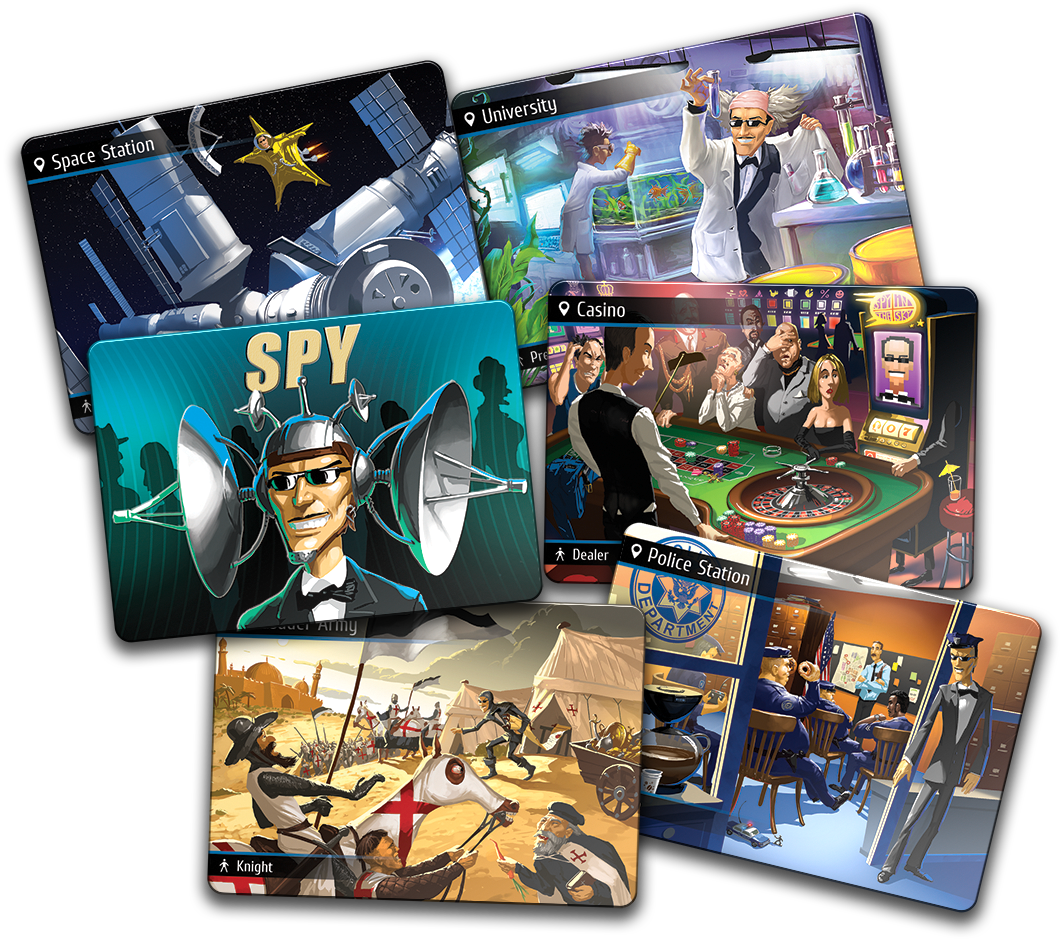
Spyfall is a party game unlike any other, one in which you get to be a spy and try to understand what's going on around you. It's played over several rounds, and at the start of each round all players receive cards showing the same location — a casino, a traveling circus, a pirate ship, or even a space station — except that one player receives a card that says "Spy" instead of the location. Players then start asking each other questions — "Why are you dressed so strangely?" or "When was the last time we got a payday?" or anything else you can come up with — trying to guess who among them is the spy. The spy doesn't know where he is, so he has to listen carefully. When it's his time to answer, he'd better create a good story!

At any time during a round, one player may accuse another of being a spy. If all other players agree with the accusation, the round ends and the accused player has to reveal his identity. If the spy is uncovered, all other players score points. However, the spy can himself end a round by announcing that he understands what the secret location is; if his guess is correct, only the spy scores points.

After a few rounds of guessing, suspicion and bluffing, the game ends and whoever has scored the most points is victorious!

#roleplayinggame #experientiallearning #learnbydoing #skillsfuture #ssg #teambuilding #empathy JJFS ThinkLab

spyfall game skillsfuture ssg learning training

Some of the Spyfall cards in the game - can be played f2f or virtually

Learning from Roleplaying games – Captain Sonar

This type of game is characterized by players taking on the role of a fictional character. This group of games, also called RPG’s, are some of the most popular games ever made both on the tabletop and in video games. Modern RPG tabletop games have simplified the complex games that originally created the genre without sacrificing the freedom that make RPG games so much fun. So if you are keen to inculcate your staff with empathy, provide better customer service skills or trying out design thinking – role playing games are highly suitable. What other learning points can you think of if you included role playing in your training toolkit?

In Captain Sonar, you and your teammates control a state-of-the-art submarine and are trying to locate an enemy submarine in order to blow it out of the water before they can do the same to you. Every role is important, and the confrontation is merciless. Be organized and communicate because a captain is nothing without his crew: the Chief Mate, the Radio Operator, and the Engineer. All the members of a team sit on one side of the table, and they each take a particular role on the submarine, with the division of labor for these roles being dependent on the number of players in the game: One player might be the captain, who is responsible for moving the submarine and announcing some details of this movement; another player is manning the sonar in order to listen to the opposing captain's orders and try to decipher where that sub might be in the water; a third player might be working in the munitions room to prepare torpedoes, mines and other devices that will allow for combat.

Captain Sonar can be played in two modes: turn-by-turn or simultaneous. In the latter set-up, all the members of a team take their actions simultaneously while trying to track what the opponents are doing, too. When a captain is ready to launch an attack, the action pauses for a moment to see whether a hit has been recorded — then play resumes with the target having snuck away while the attacker paused or with bits of metal now scattered across the ocean floor.

#roleplayinggame #experientiallearning #learnbydoing #skillsfuture #ssg #teambuilding #empathy JJFS ThinkLab

captain sonar learning skillsfuture ssg training

Playing Captain Sonar

Learning from Roleplaying games - Betrayal at House on the Hill

This type of game is characterized by players taking on the role of a fictional character. This group of games, also called RPG’s, are some of the most popular games ever made both on the tabletop and in video games. Modern RPG tabletop games have simplified the complex games that originally created the genre without sacrificing the freedom that make RPG games so much fun. So if you are keen to inculcate your staff with empathy, provide better customer service skills or trying out design thinking – role playing games are highly suitable. What other learning points can you think of if you included role playing in your training toolkit?

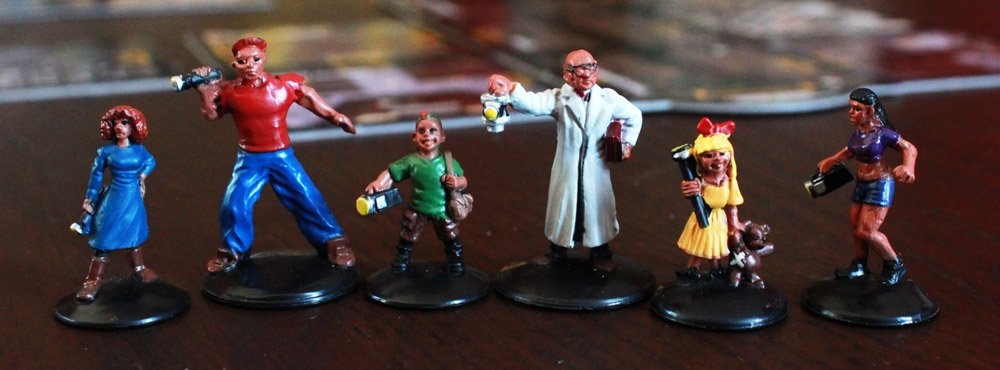
Betrayal at House on the Hill quickly builds suspense and excitement as players explore a haunted mansion of their own design, encountering spirits and frightening omens that foretell their fate. It is a tile game that allows players to build their own haunted house room by room, tile by tile, creating a new thrilling game board every time. The game is designed for three to six people, each of whom plays one of six possible characters. Secretly, one of the characters betrays the rest of the party, and the innocent members of the party must defeat the traitor in their midst before it’s too late! The game will appeal to anyone who enjoys a fun, suspenseful, and strategic game. Betrayal at House on the Hill includes detailed game pieces, including character cards, pre-painted plastic figures, and special tokens, all of which help create a spooky atmosphere and streamline game play.

#roleplayinggame #experientiallearning #learnbydoing #skillsfuture #ssg #teambuilding #empathy JJFS ThinkLab

Betrayal at House on the Hill characters

Learning from Roleplaying games

This type of game is characterized by players taking on the role of a fictional character. This group of games, also called RPG’s, are some of the most popular games ever made both on the tabletop and in video games. The first commercially available RPG game was Dungeons & Dragons published in 1974. The character building and story building systems in this game gave rise to the genre but other games have arguably perfected RPG gaming. Some of the best modern RPG tabletop games are also the most popular games out today:

•Gloomhaven

•Mage Knight

•Arkham Horror

•One Deck Dungeon

Modern RPG tabletop games have simplified the complex games that originally created the genre without sacrificing the freedom that make RPG games so much fun. So if you are keen to inculcate your staff with empathy, provide better customer service skills or trying out design thinking – role playing games are highly suitable. What other learning points can you think of if you included role playing in your training toolkit?

#roleplayinggame #experientiallearning #learnbydoing #skillsfuture #ssg #teambuilding #empathy JJFS ThinkLab

playing rpg role playing games

Playing RPG role playing games as a team

Learning from Legacy Games – Pandemic Legacy

Legacy games are games that add some form of permanence to the game, where the game changes over time with each progressive gameplay. This could mean unlocking new content or it could mean modifying or destroying existing content. Either way, what you do during one game affects all future plays of that game. So the learning we can instill when playing legacy games is linking to business strategies and the potential impact of what we do. Systems Thinking is also a good subject to bring up as we have to consider future repercussions of our actions and plans that permanently change, and those changes affect other situations downstream – a cascading effect.

Pandemic Legacy is a co-operative campaign game, with an overarching story-arc played through 12-24 sessions, depending on how well your group does at the game. At the beginning, the game starts very similar to basic Pandemic, in which your team of disease-fighting specialists races against the clock to travel around the world, treating disease hotspots while researching cures for each of four plagues before they get out of hand.

During a player's turn, they have four actions available, with which they may travel around in the world in various ways (sometimes needing to discard a card), build structures like research stations, treat diseases (removing one cube from the board; if all cubes of a color have been removed, the disease has been eradicated), trade cards with other players, or find a cure for a disease (requiring five cards of the same color to be discarded while at a research station). Each player has a unique role with special abilities to help them at these actions. After a player has taken their actions, they draw two cards. These cards can include epidemic cards, which will place new disease cubes on the board, and can lead to an outbreak, spreading disease cubes even further. Outbreaks additionally increase the panic level of a city, making that city more expensive to travel to. Each month in the game, you have two chances to achieve that month's objectives. If you succeed, you win and immediately move on to the next month. If you fail, you have a second chance, with more funding for beneficial event cards.

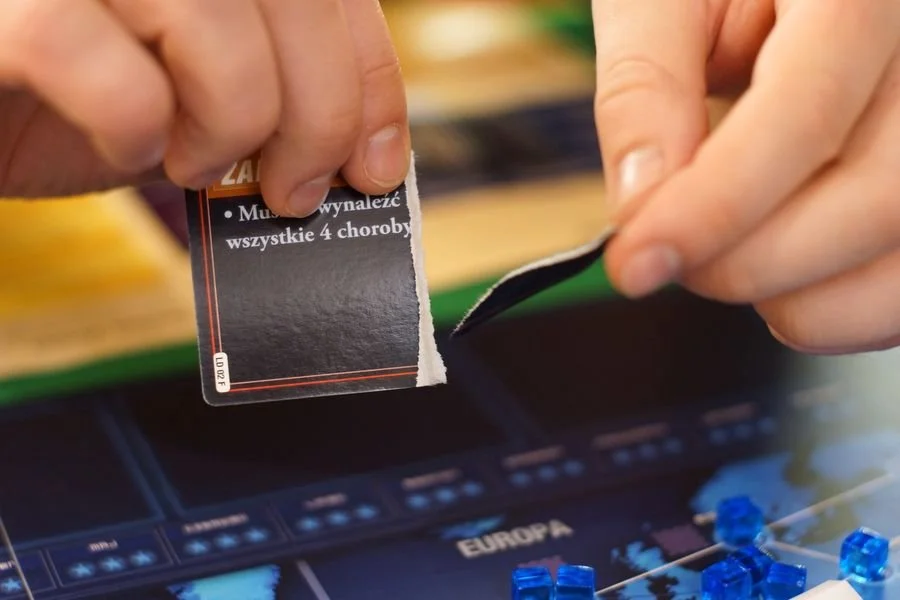
During the campaign, new rules and components will be introduced. These will sometimes require you to permanently alter the components of the game; this includes writing on cards, ripping up cards, and placing permanent stickers on components. Your characters can gain new skills, or detrimental effects. A character can even be lost entirely, at which point it's no longer available for play.

#legacygame #experientiallearning #learnbydoing #skillsfuture #ssg #systemsthinking JJFS ThinkLab

#legacygame #experientiallearning #learnbydoing #skillsfuture #ssg #systemsthinking JJFS ThinkLab

A legacy game being played - watch out for spoilers!

Learning from Legacy Games

Legacy games are games that add some form of permanence to the game, where the game changes over time with each progressive gameplay. This could mean unlocking new content or it could mean modifying or destroying existing content. Either way, what you do during one game affects all future plays of that game. Usually this means that these games are only good for one playthrough.

Legacy games are currently very popular in the board gaming industry but due to the design of the game, very few good legacy games are created each year. Here are some of the most successful legacy board games:

Pandemic Legacy (several seasons), Betrayal Legacy, Gloomhaven and Clank! Legacy. A standout in this list is Gloomhaven which has arguably been the most popular board game for the past few years.

So the learning we can instill when playing legacy games is linking to business strategies and the potential impact of what we do. Systems Thinking is also a good subject to bring up as we have to consider future repercussions of our actions and plans that permanently change, and those changes affect other situations downstream – a cascading effect. Do you have any legacy games that you enjoy?

legacy gaming learning about systems thinking, strategy, repercussions

Destroying a card in Pandemic Legacy

Learning from City Building games – Alhambra

City Building – Quite simply, games about building a city. City building games are usually all about efficiency and are almost always also Economic games. They can be about building the most attractive city, the biggest city or the most lucrative city, or could be a combination of all of that. So by introducing a city building game it is to encourage staff to look at how they can be more efficient at work, develop better outcomes in projects and also learn to be more economical with resources. Here is an excellent game we like to introduce today in City Building:

At the foot of the Sierra Nevada mountains, one of the most exciting and interesting project of the Spanish Middle Ages begins: the construction of the ALHAMBRA. The best master builders in the whole of Europe and Arabia want to demonstrate their skill. Employ the most suitable teams of builders and make sure that you always have enough of the right currency. Because no matter whether they are stonemasons from the north or horticulturalists from the south, they all want a proper wage and insist on their "native" currency. With their help towers can be constructed, gardens laid out, pavilions and arcades erected and seraglios and chambers built.

In Alhambra, players are acquiring buildings to be placed within their Alhambra complex. The money in Alhambra comes in four different currencies and is available in the open money market. The 54 buildings of six types become available for purchase in the building market four at a time; one building is available in each of the four different currencies. On a player's turn, a player may 1) take money from the open money market, 2) purchase a building from the building market and either place it in his Alhambra or reserve, or 3) engage in construction and re-construction projects with buildings that have been placed in the player's Alhambra or reserve. The game rewards efficiency, as when a player purchases a building from the market for the exact amount of money, the player may take another turn.

Players with the most buildings in each of the six building types in his Alhambra score in each of the scoring phases, and points are awarded for players' longest external "wall" section within their complex. The game ends when the building market can no longer be replenished from the building tile supply, and there is a final scoring, whereupon the player with the highest score wins.

#alhambragame #citybuildinggame #experientiallearning #learnbydoing JJFS ThinkLab

Learning from City Building games – Machi Koro

City Building – Quite simply, games about building a city. City building games are usually all about efficiency and are almost always also Economic games. They can be about building the most attractive city, the biggest city or the most lucrative city, or could be a combination of all of that. So by introducing a city building game it is to encourage staff to look at how they can be more efficient at work, develop better outcomes in projects and also learn to be more economical with resources. Here is an excellent game we like to introduce today in City Building:

Welcome to the city of Machi Koro. You've just been elected Mayor. Congrats! Unfortunately the citizens have some pretty big demands: jobs, a theme park, a couple of cheese factories and maybe even a radio tower. A tough proposition since the city currently consists of a wheat field, a bakery and a single die. Armed only with your trusty die and a dream, you must grow Machi Koro into the largest city in the region. You will need to collect income from developments, build public works, and steal from your neighbors' coffers. Just make sure they aren't doing the same to you!

Machi Koro is a fast-paced game for 2-4 players. Each player wants to develop the city on their own terms in order to complete all of the landmarks under construction faster than their rivals. On their turn, each player rolls one or two dice. If the sum of the dice rolled matches the number of a building that a player owns, they get the effect of that building; in some cases opponents will also benefit from your dice (just as you can benefit from theirs). Then, with money in hand a player can build a landmark or a new building, ideally adding to the wealth of their city on future turns. The first player to construct all of their landmarks wins!

#machikoro #citybuildinggame #experientiallearning #learnbydoing JJFS ThinkLab

Machi Koro game with components

Learning from City Building games – Kingdomino

City Building – Quite simply, games about building a city. City building games are usually all about efficiency and are almost always also Economic games. They can be about building the most attractive city, the biggest city or the most lucrative city, or could be a combination of all of that. So by introducing a city building game it is to encourage staff to look at how they can be more efficient at work, develop better outcomes in projects and also learn to be more economical with resources. Here is an excellent game we like to introduce today in City Building:

In Kingdomino, you are a lord seeking new lands in which to expand your kingdom. You must explore all the lands, including wheat fields, lakes, and mountains, in order to spot the best plots, while competing with other lords to acquire them first. The game uses tiles with two sections, similar to Dominoes. Each turn, each player will select a new domino to connect to their existing kingdom, making sure at least one of its sides connects to a matching terrain type already in play. The order of who picks first depends on which tile was previously chosen, with better tiles forcing players to pick later in the next round. The game ends when each player has completed a 5x5 grid (or failed to do so), and points are counted based on number of connecting tiles and valuable crown symbols.

Learning from City Building games - 7 Wonders

City Building – Quite simply, games about building a city. City building games are usually all about efficiency and are almost always also Economic games. They can be about building the most attractive city, the biggest city or the most lucrative city, or could be a combination of all of that.

So by introducing a city building game it is to encourage staff to look at how they can be more efficient at work, develop better outcomes in projects and also learn to be more economical with resources. Here is an excellent game we like to introduce today in City Building:

In the game 7 Wonders, you are the leader of one of the 7 great cities of the Ancient World. Gather resources, develop commercial routes, and affirm your military supremacy. Build your city and erect an architectural wonder which will transcend future times. The game lasts three ages. In each age, players receive seven cards from a particular deck, choose one of those cards, then pass the remainder to an adjacent player. Players reveal their cards simultaneously, paying resources if needed or collecting resources or interacting with other players in various ways. Each player then chooses another card from the deck they were passed, and the process repeats until players have six cards in play from that age.

In essence, 7 Wonders is a card development game. Some cards have immediate effects, while others provide bonuses or upgrades later in the game. Some cards provide discounts on future purchases. Some provide military strength to overpower your neighbors and others give nothing but victory points. Each card is played immediately after being drafted, so you'll know which cards your neighbor is receiving and how her choices might affect what you've already built up. Cards are passed left-right-left over the three ages, so you need to keep an eye on the neighbors in both directions.