How do we get it done quicker?

We don't start with templates. We start with questions. The right questions save weeks of rework. Understanding the real problem is half the solution.

This is a cornerstone of good instructional design. A learner-centric approach emphasizes starting with the learner's needs and context, not a pre-existing template. Asking the right questions is the most efficient way to design effective learning.

Agile isn't a buzzword. It's survival.

Traditional L&D: 3 months to design, 2 months to approve, 1 month to deliver – and by then, the need has changed. Boutique L&D: 2 weeks to understand, 2 weeks to build, deliver immediately. Agile isn't a buzzword. It's survival. This is the reality of modern business. An agile L&D function is essential for resilience and meeting business outcomes. The ability to pivot quickly is no longer a nice-to-have; it's a survival skill.

Purpose-driven longevity in making learning real

We've been at this since 2011. Not because we're chasing growth targets. Because we genuinely believe in making learning real. Fourteen years in, that belief hasn't changed. The methods have. The mission hasn't.

Purpose-driven longevity is something to be proud of. It speaks to a deep-seated commitment that can't be faked. This kind of authentic mission is what attracts the right clients and the right talent.

#GamificationROI #LearningAnalytics #HRMetrics #L&DStrategy #BusinessImpact #KPIs #MNCtraining #GameBasedLearning

The business case for gamification

Gamification reduces training fatigue, increases completion rates, and improves knowledge retention. CFOs are paying attention. AI + gamification = upskilling at scale. Are you using any AI‑powered gamified platform? Honest reviews? gamification reduces fatigue and increases completion. Has it won over your CFO?

https://elearning.adobe.com/2026/02/top-trends-shaping-corporate-e-learning-platforms-in-2026/

#AIUpskilling #ScalableLearning #PlatformReviewJul #CFOapproval #LearningROI #BusinessCase #jjfsthinklab


The irony of corporate learning

The irony of corporate learning: the bigger the training department, the less personal the learning. Boutique firms exist to restore the human element. Because real learning happens when someone actually sees you.

So true. The future of learning is human. Advances in learning design are pushing for "experiential ecosystems that can evolve with the learner's moment of need", which is inherently a more personal, human-centric approach.

Skills for the AI era: Gamification + AI-powered learning paths

Skills for the AI era: Gamification + AI-powered learning paths = personalized upskilling at scale. Major trend for 2026 and beyond AI + gamification = upskilling at scale. Are you using any AI‑powered gamified platform? Honest reviews?

#GamificationROI #LearningAnalytics #HRMetrics #L&DStrategy #BusinessImpact #KPIs #MNCtraining #GameBasedLearning #jjfsthinklab #AIUpskilling #ScalableLearning #PlatformReview

We don't have a sales team

We don't have a sales team. We have a team that cares about learning. When everyone in the firm is a practitioner, not a salesperson, the conversation shifts from "what can we sell you?" to "what do you actually need?"

This is the essence of being a trusted advisor. When your team is made of practitioners, you're not just selling a product; you're consulting on a solution. This builds the trust necessary for a true partnership.

#jjfsthinklab #gamebasedlearning #L&D #learningroi

Adaptability is future skill #1.

Future skill #1: Adaptability. Games teach learners to pivot strategies, recover from setbacks, and try new approaches—all in low-stakes environments. What game has taught you to pivot when your plan fails?

#jjfsthinklab #Adaptability #PivotSkills #GameLessons #GamificationROI #LearningAnalytics #HRMetrics #L&DStrategy #BusinessImpact #KPIs #MNCtraining #GameBasedLearning #GamificationROI #LearningAnalytics #HRMetrics #L&DStrategy #BusinessImpact #KPIs #MNCtraining #GameBasedLearning

Speed in L&D

Speed in L&D isn't about cutting corners. It's about cutting bureaucracy. When decisions don't need to go through three layers of approval, we can respond to client needs in days, not months. That's the boutique difference.

Agility is the new currency in L&D. A report from Fosway, cited by Cognota, shows that teams adopting agile-inspired methods can cut development time by up to 70%. Removing bureaucracy is the first step to achieving that speed.

Skills that transfer

Study shows skills developed in games (strategic thinking, teamwork, time management) transfer into academic and professional tasks. Strategic thinking in games transfers to work. Have you seen this in your team? Example?

#SkillTransfer #GameToWork #StrategicPlay

Do you measure number of programs or behavioral change?

How many programs did you deliver this quarter?" A question big firms love to answer. We prefer: "How many people actually changed how they work?" That's the only number that matters.

We need to move beyond vanity metrics. As one article notes, L&D should be seen as a "business driver," where the focus is on impact, not just activity. Measuring behavioural change is the only way to prove value.

Games teach critical thinking: decisions

Why gamification builds critical thinking better than lectures: Games require decisions → consequences → reflection. That's the learning loop.

Games teach critical thinking: decisions → consequences → reflection. What’s your favourite reflective question after a game?

#CriticalThinking #ReflectionPrompt #GameDebrief #GamificationROI #LearningAnalytics #HRMetrics #L&DStrategy #BusinessImpact #KPIs #MNCtraining #GameBasedLearning

Depth vs Scale in Learning

The best learning experiences aren't built from templates. They're built from listening. With a small dedicated group of people, we don't have the luxury of scale. We have the privilege of depth. We know our clients' names, their challenges, and their people. That changes everything.

Depth over scale is a powerful differentiator. Research into "person-centric" workplace learning emphasizes that effective design starts with understanding the individual's needs, shifting focus from organization-centered training to individual self-development. This depth of understanding is the foundation of any truly effective program.
#jjfsthinklab #Gamification #GameBasedLearning #CaseStudies #L&DROI #EmployeeEngagement #SeriousGames #WorkplaceLearning #LearningTransformation

Games as equalizers

Research suggests game-based learning can reduce performance gaps between learners with different reading levels. Games reduce performance gaps between reading levels. Seen this in your org? I have – especially with visual simulations.

https://www.terc.edu/publications/validating-game-based-learning-assessment-of-students-computational-thinking-practices-using-bayesian-networks-and-machine-learning-based-detectors/

Role-Playing Games (RPGs) and Quest-Based Learning

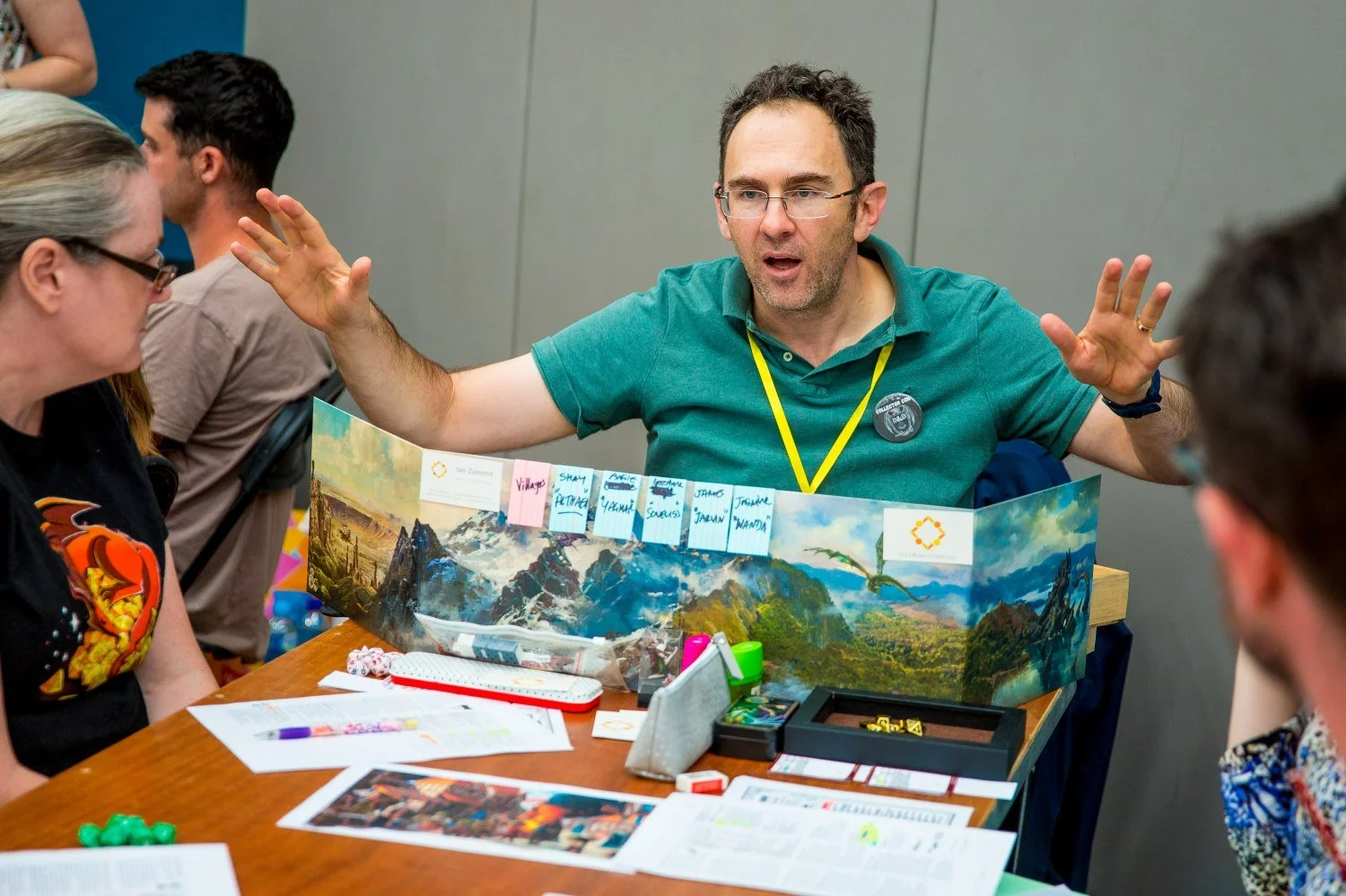
Quest-based learning transforms the entire classroom into an immersive role-playing game. Students adopt character personas and embark on epic "quests" that are actually curriculum-aligned learning activities. Platforms like Classcraft and innovative schools like Quest to Learn have pioneered this model, where completing homework, collaborating with peers, and demonstrating knowledge allow students to level up their characters and unlock new abilities.

This approach recasts students as the heroes of their own learning journey. Instead of passively receiving information, they actively solve problems and overcome challenges within a compelling narrative. This method is one of the most comprehensive gamification examples in education because it restructures the learning environment itself, turning assignments into missions and grades into experience points (XP).

#Gamification #GameBasedLearning #CaseStudies #L&DROI #EmployeeEngagement #SeriousGames #WorkplaceLearning #LearningTransformation #jjfsthinklab