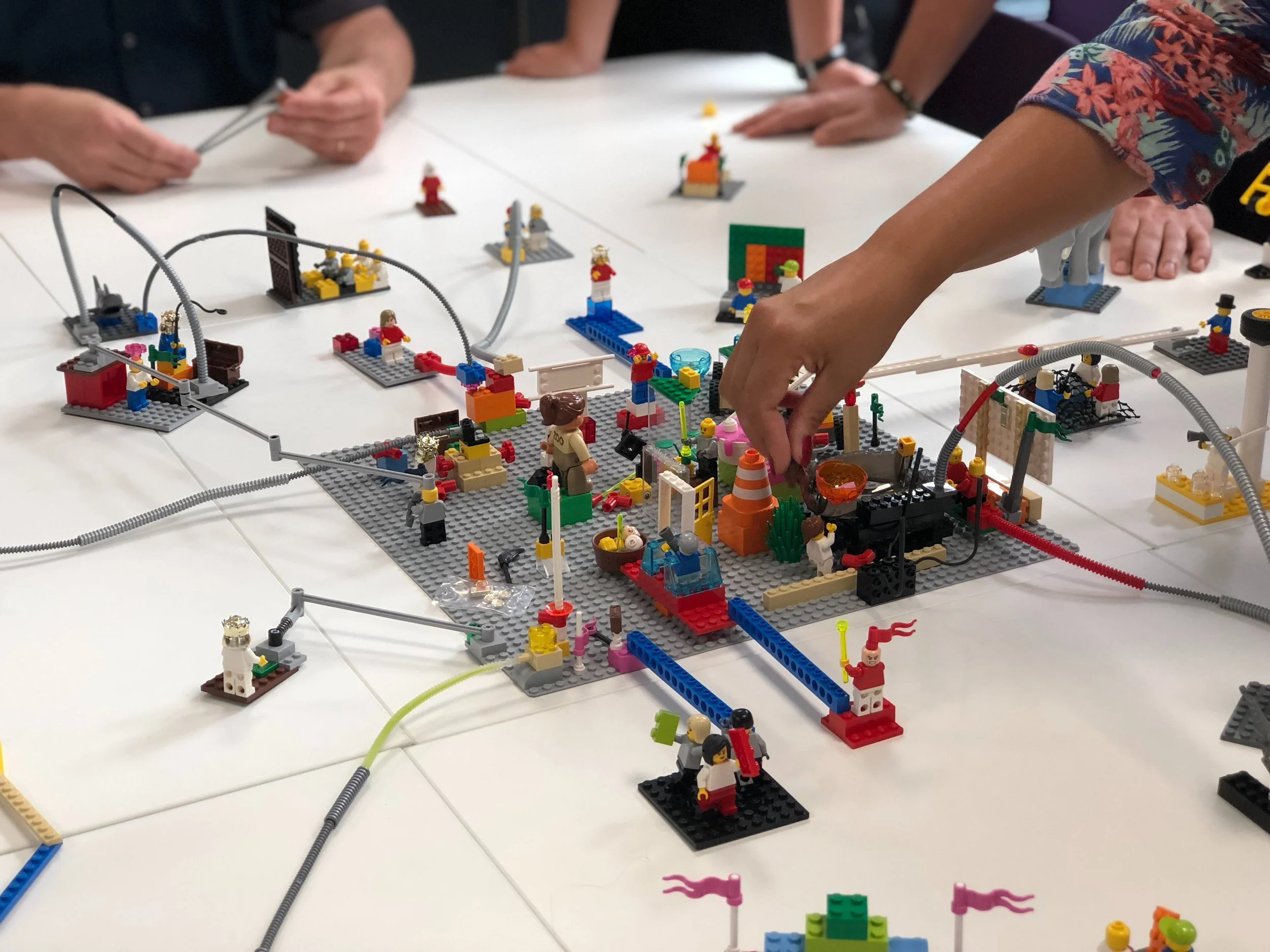
Microlearning and Gamification as a perfect match

Consider using microlearning and gamification as a perfect match (bite-sized content + immediate rewards = sticky knowledge). What’s a 5‑minute game that taught you something you still remember?

#jjfsthinklab #Microlearning #StickyKnowledge #TinyGames #Gamification #GameBasedLearning #CaseStudies #L&DROI #EmployeeEngagement #SeriousGames #WorkplaceLearning #LearningTransformation


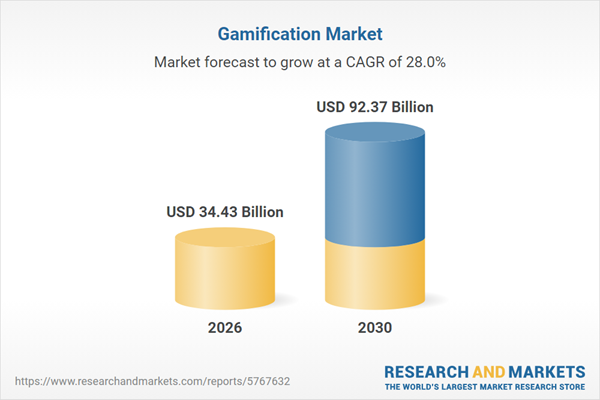
The gamification market is expected to reach $92B (CAGR) of 28%

Thought leadership: $92B gamification market by 2030 – trend or standard? I say standard. What’s still holding L&D back? Is gamification still a "trend," or has it become standard L&D practice?

https://www.researchandmarkets.com/reports/5767632/gamification-market-report

#GamificationFuture #L&DStrategy #MarketTrends #Gamification #GameBasedLearning #CaseStudies #L&DROI #EmployeeEngagement #SeriousGames #WorkplaceLearning #LearningTransformation

Top e-tools for learning so far in 2026

Round up the top gamification tools for learning so far in 2026: Classcraft, Kahoot!, Duolingo, Miro Board Quests, and LMS gamification plugins. Does your organisation use these for training?

Which one has surprised you most? For me, Miro’s voting stickers as “points”.

https://lnkd.in/g4MCtBi3

#jjfsthinklab #Gamification #GameBasedLearning #CaseStudies #L&DROI #EmployeeEngagement #SeriousGames #WorkplaceLearning #LearningTransformation

Learners engage 30–60% more when lessons include game elements.

Data point Friday: Learners engage 30–60% more when lessons include game elements. Retention improves by up to 40% when learning is interactive. 40% better retention with interactive learning. Does your LMS track retention? I’d love to see before/after numbers.

#RetentionMatters #LearningAnalytics #InteractiveLearning

https://www.researchgate.net/publication/386068382_The_Impact_of_Gamification_on_Motivation_and_Retention_in_Language_Learning_An_Experimental_Study_Using_a_Gamified_Language_Learning_Application


Escape rooms aren't just for fun

How puzzle-based learning boosts collaboration and problem-solving under pressure. Escape rooms for collaboration. Have you run a team escape room (digital or physical)? What was the biggest “aha” moment?

https://www.sherlocked.nl/blog/psychology-of-escape-rooms-for-team-building

#EscapeRoomLearning #TeamProblemSolving #CollaborativePlay

“Many Ways to Learn”

Creating a "Many Ways to Learn" culture (Learning at Work Week theme): How games offer visual, kinesthetic, and social pathways to mastery. What’s a game mechanic that caters to a learning style often ignored?

#LearningStyles #InclusiveGBL #ManyWays

https://www.qa.com/browse/learning-at-work-week/

Building progression mechanics into your courses

These progression mechanics in your courses (levels, challenges, and feedback loops) move beyond rote memorization and cultivate skills like problem-solving, critical thinking, and persistence.

Progression mechanics: levels, challenges, feedback loops. What’s the most addicting progression you’ve seen in a learning app? #ProgressionDesign #LevelUp #LearningLoops

https://www.polychatapp.com/blog/gamification-examples-in-education

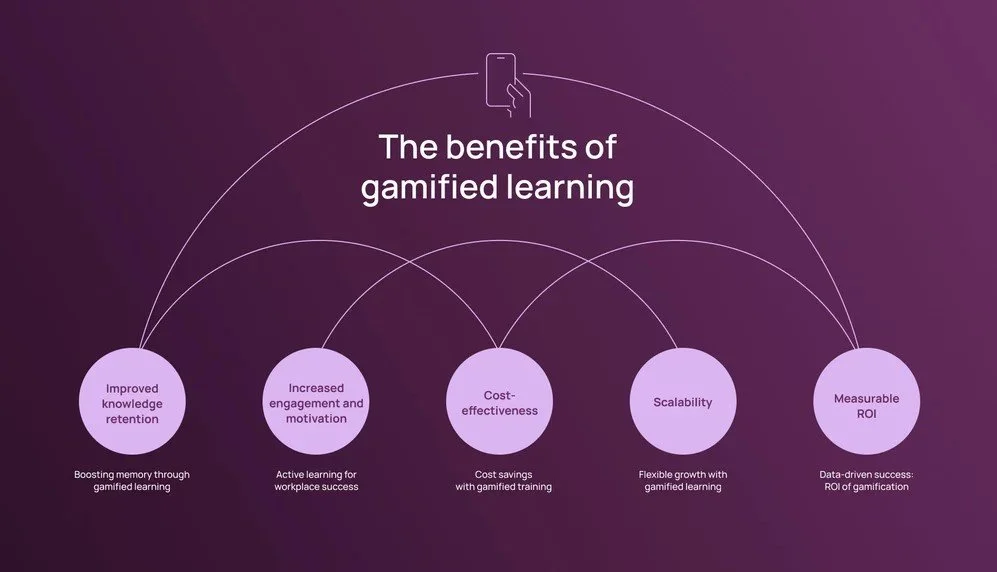
Learning through play

How serious games simulate complex systems (and why that builds deeper understanding)

#Gamification #GameBasedLearning #CaseStudies #L&DROI #EmployeeEngagement #SeriousGames #WorkplaceLearning #LearningTransformation
https://www.hs-fulda.de/en/newsroom/message-details/detail/spielen-statt-pauken

Retro Game for Creativity

We have been focusing on using retro games to inspire and encourage creativity and innovation lately. What retro games or game systems did you enjoy the most? To narrow the focus let's look at games and systems from the 70s to 80s first. #gamebasedlearning #retrogames #retrosystems #learning

5 Reasons Why Board Games Are Better for Families

Playing video games can be a great way to bond with your kids and teach them valuable skills like perseverance. However, there are also some potential downsides to screen time, such as increased risk of obesity, sleep problems, and social isolation. Board games offer a number of benefits :

  • Improved social skills: Board games require players to interact with each other, which can help them develop communication, cooperation, and conflict resolution skills.

  • Increased physical activity: Some board games, such as dexterity games, require players to move around and use their bodies. This can help reduce sedentary behavior and improve physical fitness.

  • Enhanced cognitive development: Board games can help improve problem-solving, critical thinking, and strategic thinking skills.

  • Boosted creativity: Some board games require players to use their imaginations to solve puzzles or create stories. This can help foster creativity and imagination.

  • Reduced screen time: Board games are a great way to get kids away from screens and enjoy face-to-face interaction.

Here are some specific examples of board games that offer the benefits mentioned above:

  • Cooperative games: These games require players to work together to achieve a common goal. This can help improve teamwork, communication, and problem-solving skills. Some popular cooperative games include Pandemic, The Resistance, and Mysterium.

  • Dexterity games: These games require players to use their hands and fingers to manipulate game pieces. This can help improve hand-eye coordination, fine motor skills, and reaction time. Some popular dexterity games include Rhino Hero, Tumbling Tower, and Ice Cool.

  • Strategy games: These games require players to think ahead and make strategic decisions. This can help improve problem-solving, critical thinking, and planning skills. Some popular strategy games include Settlers of Catan, Ticket to Ride, and 7 Wonders.

  • Party games: These games are designed to be fun and social. They can help improve communication, cooperation, and conflict resolution skills. Some popular party games include Codenames, The Resistance, and Tokaido.

Rhino Hero, The Resistance, Pandemic, Ticket to Ride board games

Game-based learning examples

Game-based learning can encompass a wide variety of games, ranging from simple educational apps to complex simulations. Some of the most popular games used for game-based learning include:
- Minecraft
- Civilization
- SimCity
- Second Life
- Assassin’s Creed
- World of Warcraft
- Age of Empires
- The Sims

Have you tried any of them?

Ticket to Ride board game

Learn sustainability through games

Here is a link to some fun board games created to introduce sustainability concepts and ideas to the public. Learn more about how we can be more sustainable as well as environmental issues through this fun approach - what’s more, they are free! They were created by some universities and even a government agency. https://www.urbanworks.cca.edu/win-win-board-games

Playing Flip this Hood